
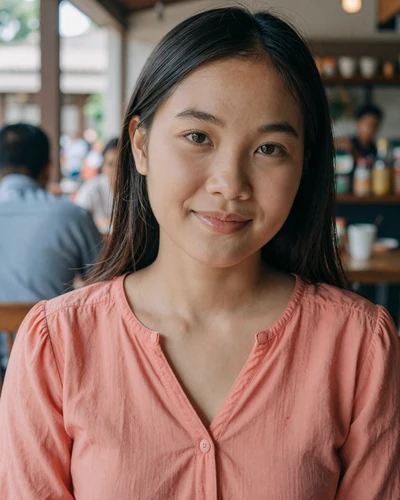
Keo Phommachanh, 25
📍 Vientiane, Laos
✓ Verified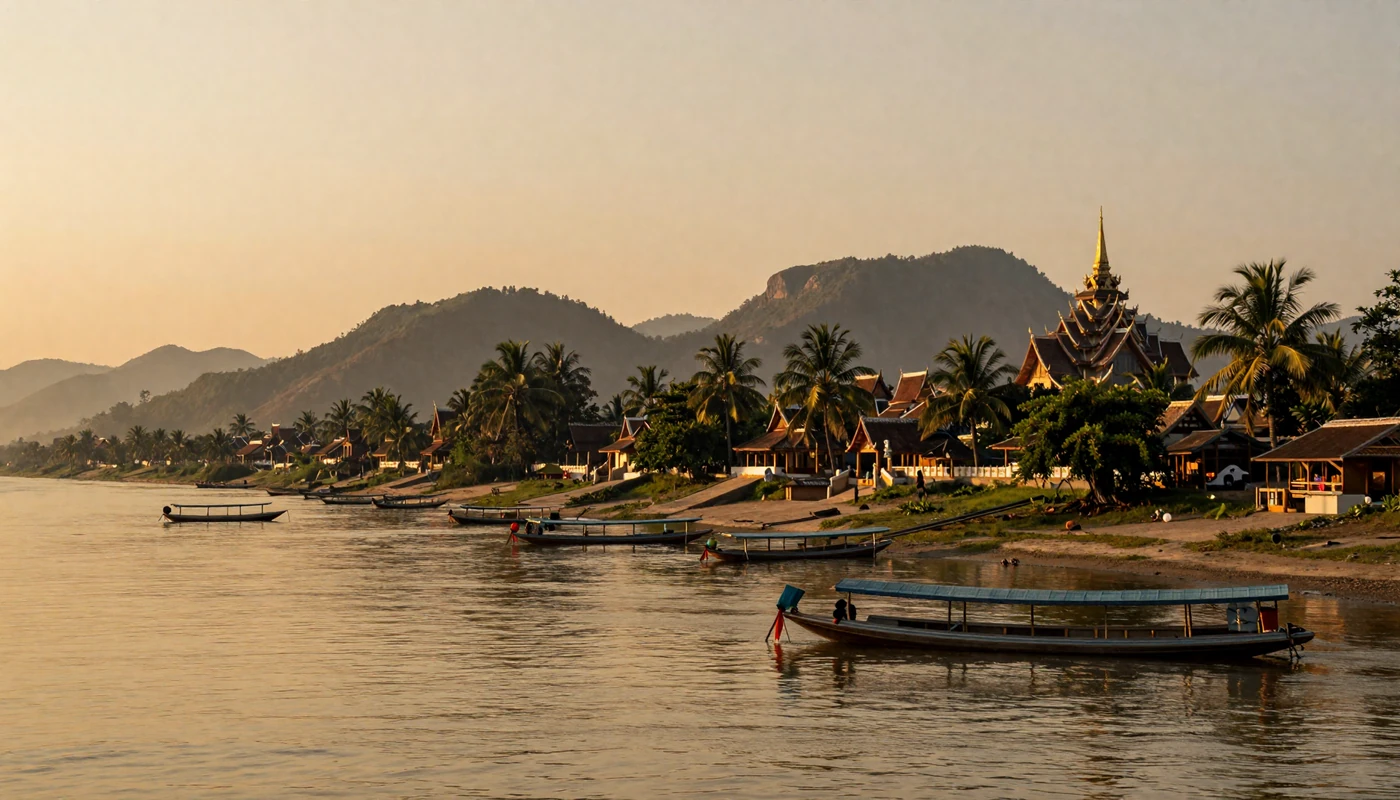
Connect with gentle, warm-hearted Laotian women from Vientiane, Luang Prabang, Savannakhet, and Pakse. Verified profiles, video chat, and culturally respectful matchmaking for Western men seeking genuine, lasting love along the Mekong.
Meet Laotian Singles
📍 Vientiane, Laos
✓ Verified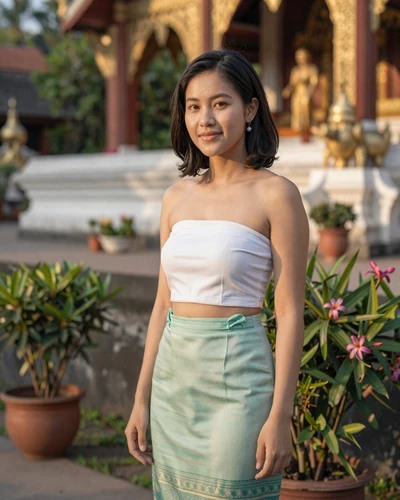
📍 Luang Prabang, Laos
✓ Verified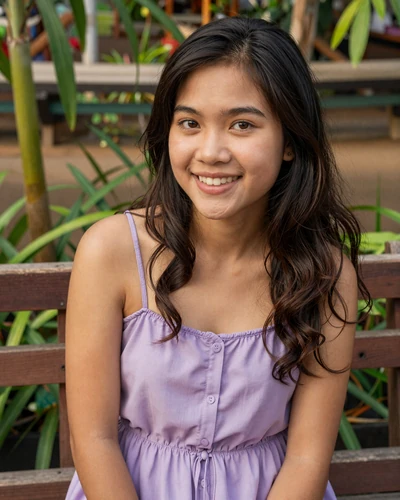
📍 Pakse, Laos
✓ Verified
📍 Savannakhet, Laos
✓ Verified
📍 Vientiane, Laos
✓ Verified
📍 Luang Prabang, Laos
✓ Verified
📍 Thakhek, Laos
✓ Verified
📍 Vang Vieng, Laos
✓ VerifiedLaotian women dating connects Western men with some of the gentlest, most serene, and profoundly loyal women in all of Southeast Asia. Laos - the "Land of a Million Elephants" - is a landlocked nation cradled by the Mekong River, blanketed in misty mountains, ancient Buddhist temples, and unhurried villages where life moves to a rhythm fundamentally different from the Western world. This tranquil pace is not a sign of stagnation but of a culture that prioritizes inner peace, community harmony, and genuine human connection over material accumulation and relentless ambition. The women who emerge from this cultural landscape carry within them a warmth and steadiness that Western men consistently describe as transformative.
Theravada Buddhism is the spiritual and cultural heartbeat of Lao society. Over 65% of the population practices Buddhism, and its influence permeates every aspect of daily life - from the morning alms-giving ceremonies that paint Luang Prabang's streets in saffron and gold to the personal values of sabai (contentment), boun (merit-making), and the avoidance of conflict. Lao women are raised within this philosophy of equanimity and compassion. They approach relationships not with aggressive pursuit or transactional calculation but with a patient, genuine warmth that builds slowly and runs remarkably deep. For Western men exhausted by the performative intensity of domestic dating culture, the calm steadiness of a Laotian partner feels like coming home to a place you never knew existed.
The Mekong River is not merely a geographic feature in Laos - it is the lifeblood of the nation and a metaphor for the Lao approach to life and love. Just as the river flows steadily, nourishing everything it touches without rushing, Laotian women bring a patient, nurturing energy to their relationships. Life along the Mekong in cities like Vientiane, Luang Prabang, Pakse, and Thakhek revolves around community, shared meals, evening strolls along the riverbank, and a deep appreciation for the present moment. This is a culture that values "bo penyang" - a Lao expression meaning "no problem" or "it's okay" - reflecting a philosophy of accepting life's imperfections with grace rather than anxiety.
One of the most beautiful and significant Lao cultural traditions is the baci (also spelled "basi") ceremony - a ritual of blessing performed at every major life event, including engagements, weddings, homecomings, and welcoming honored guests. During a baci, white cotton strings are tied around your wrists while prayers and blessings are chanted, symbolically binding your 32 khwan (spirits) to your body and connecting you to the people you love. If your relationship with a Laotian woman progresses to meeting her family, being included in a baci ceremony is one of the most profound honors you can receive - a sign that her family has accepted you into their spiritual circle. Understanding and appreciating this tradition signals deep cultural respect that Lao families never forget.
This Buddhist-influenced approach to love and courtship resonates deeply with neighboring cultures. Men drawn to Lao women's gentle nature often find similar qualities in Thai women dating, where Theravada Buddhism shapes comparable values of patience, family devotion, and emotional warmth. The Mekong River connects Laos to several nations whose women share related cultural sensibilities, including Cambodian women and Vietnamese women, each expressing these shared Southeast Asian values through their own distinct cultural lens.
Laotian women possess a rare combination of gentle patience, unwavering family loyalty, and quiet inner strength that makes them extraordinary life partners for men who value depth, sincerity, and lasting commitment over superficial attraction.
Raised in a Buddhist culture that prizes equanimity, Laotian women approach relationships with extraordinary patience. They do not rush, pressure, or create unnecessary drama. Instead, they build love slowly and steadily - creating bonds that endure because they were never forced.
Family is the absolute center of Lao life. A Laotian woman's devotion to her partner and children is unconditional and lifelong. She creates a home that is warm, welcoming, and filled with the generous hospitality that defines Lao culture at its finest.
Beneath their gentle exterior, Laotian women possess remarkable resilience. Laos has navigated decades of geopolitical challenges, and its women have emerged with an inner toughness that sustains families through hardship. This quiet strength means your Lao partner stands beside you in difficulty, never behind you.
Understanding Laotian dating etiquette is essential for any Western man serious about building a genuine connection with a Lao woman. Courtship in Laos follows a conservative, family-centered pattern shaped by Buddhist values, community expectations, and a cultural emphasis on modesty and respect. Unlike Western dating culture where physical intimacy and rapid escalation are normalized, Lao courtship moves at a deliberate pace - and this patience is not an obstacle but a feature. The men who embrace this rhythm discover that the relationships built through careful, respectful courtship are deeper, more trusting, and more enduring than anything forged through haste.
In Lao culture, a relationship progresses through clearly defined stages. Initial interactions are group-based - meeting at community gatherings, temple festivals (boun), or family events rather than private dates. Public displays of affection are considered inappropriate and disrespectful, even in major cities like Vientiane. Hand-holding may be acceptable after a relationship is established, but kissing, embracing, or other physical intimacy in public violates deeply held Lao social norms. A Western man who demonstrates the self-discipline to respect these boundaries - even when alone with his Lao partner in public - earns profound respect from both the woman and her family.
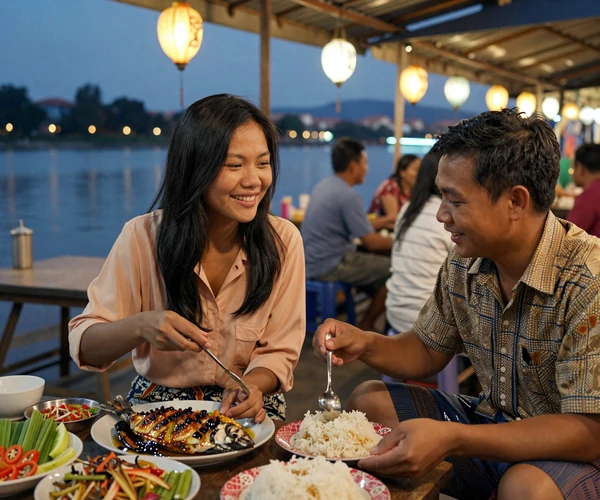
In Laos, sharing food is the primary language of love and community. Lao meals are inherently communal - dishes are placed in the center of a woven rattan tray, and everyone eats together using their hands with sticky rice (khao niao) as the edible utensil. Being invited to share a family meal is a significant step in courtship, signaling that you are being evaluated as a potential family member. Accepting food graciously, eating with your right hand, complimenting the cooking, and offering to contribute ingredients or help with preparation are all gestures that communicate respect, humility, and genuine engagement with Lao culture. Signature Lao dishes like larb (spiced minced meat salad), tam mak hoong (spicy green papaya salad), and ping kai (grilled chicken) are not just meals - they are shared rituals that bond people together.
This food-centered courtship culture mirrors traditions across mainland Southeast Asia. Men interested in Lao women often discover enriching parallels in Burmese women dating, where Theravada Buddhist values and communal dining rituals similarly shape courtship expectations, creating a shared cultural vocabulary of respect, patience, and family devotion across the region.
In Laotian culture, marriage is never merely a union between two individuals - it is the merging of two families into a single interconnected community. Understanding the central role of family in Lao relationships is perhaps the most important preparation a Western man can undertake before pursuing a Laotian woman. Her family's approval is not optional or ceremonial - it is foundational. A relationship that lacks familial blessing will face enormous pressure and is unlikely to succeed, regardless of the depth of the couple's personal connection. Conversely, earning her family's trust and respect transforms your relationship into something unbreakable, supported by an entire community that now considers you one of their own.
The baci ceremony holds particular significance in Lao courtship and marriage. When a couple decides to marry, a formal baci is conducted at the bride's family home, led by a maw phon (elder blessing master) who chants prayers invoking prosperity, health, and harmony for the couple. Family members and guests tie white cotton strings around the couple's wrists while offering blessings and well-wishes. These strings are traditionally worn for three days and then removed by untying - never cutting - to preserve the blessings they carry. For a Western man, participating respectfully and genuinely in a baci ceremony demonstrates a level of cultural engagement that Lao families regard as the highest form of respect and commitment.
Like many Southeast Asian cultures, Lao tradition involves a "sin sod" (bride price or dowry) - a financial gift from the groom's family to the bride's family during the wedding process. The sin sod is not a purchase but a gesture of respect, gratitude, and commitment that symbolizes the groom's ability to provide for his new family. Amounts vary significantly based on the bride's education, family status, and regional customs - ranging from modest sums in rural communities to more substantial amounts for university-educated women from prominent families. Discussing sin sod expectations openly and respectfully with her family, ideally through a trusted intermediary, prevents misunderstandings and demonstrates the directness and integrity that Lao families value in a son-in-law.
Men navigating the complexities of family integration in Lao relationships often find helpful parallels in the experiences shared by those exploring Thai women dating, where the sinsod tradition, Buddhist family ceremonies, and the central role of parental approval create a closely related cultural framework. Similarly, Cambodian women share the Theravada Buddhist foundation and Mekong River cultural heritage that shape comparable expectations around family involvement, patience in courtship, and community integration.
Create your profile in under two minutes. Upload genuine photos, describe your personality and relationship goals, and indicate your interest in Lao singles. No credit card required to get started.
Explore verified profiles of Laotian women from Vientiane, Luang Prabang, Pakse, and other regions using advanced filters for age, education, interests, and relationship preferences.
Send a respectful, culturally aware first message. Build trust through regular messaging and video chat. Our cultural guides help you navigate Lao courtship etiquette with confidence and sincerity.
Earning the trust and love of a Laotian woman requires a deliberate, culturally informed approach that prioritizes respect, patience, and genuine interest over grand gestures or rushed timelines. These six essential principles are drawn from the experiences of successful couples on our platform who built lasting, loving partnerships with Lao women by embracing the beauty of Lao courtship culture rather than resisting it.
| Relationship Stage | Typical Timeline | Key Actions |
|---|---|---|
| Initial connection | Weeks 1-4 | Regular messaging, learning about each other's daily lives, sharing photos and voice messages |
| Building trust | Months 2-4 | Video chat sessions, deeper conversations about values and goals, beginning to learn about her family |
| Family introduction | Months 4-8 | Meeting her family via video or during your first visit, participating in a baci ceremony if invited |
| First in-person visit | Months 5-10 | Traveling to Laos for 10-14 days, meeting family in person, experiencing Lao culture together |
| Commitment discussion | Months 8-14 | Discussing marriage, sin sod, living arrangements, and visa planning with her and her parents |
| Engagement and marriage | Months 12-20 | Formal engagement baci, wedding ceremony, beginning K-1 or spousal visa process |
Laotian women are known for their gentle, patient, and nurturing nature. Raised in a Theravada Buddhist culture that values inner peace and family harmony, they approach relationships with a calm steadiness and absolute loyalty. They are devoted homemakers, attentive mothers, and supportive partners who prioritize emotional stability and mutual respect. Their quiet strength and warmth make them extraordinary life partners for men who value depth and sincerity over superficiality.
You do not need to be Buddhist, but showing genuine respect for Buddhist traditions is essential. Buddhism shapes virtually every aspect of Lao daily life, from morning alms-giving ceremonies to temple festivals. Many Lao women and their families are accepting of partners from other faiths or no faith, provided you approach Buddhism with sincere curiosity and respect. Participating in temple visits and baci ceremonies when invited demonstrates the cultural openness that Lao families value deeply.
Laos is one of the safest countries in Southeast Asia for travelers. Crime rates are low, and the Lao people are famously welcoming to foreigners. Major cities like Vientiane and Luang Prabang have well-developed tourism infrastructure with comfortable accommodation, reliable transportation, and English-speaking services. Standard travel precautions apply - guard valuables, use reputable transportation, and check embassy advisories before travel. Budget $2,000-$4,000 for a comfortable 10-14 day trip.
Family approval is absolutely critical in Lao culture. Marriage is considered a union of families, not just individuals. Most Lao women will not commit to a serious relationship without her parents' blessing. Meeting the family is a formal milestone that involves bringing gifts, showing respect to elders, and openly discussing your intentions and future plans. The baci ceremony is often performed to formally welcome you into the family, and being invited to one is a powerful sign of acceptance.
English proficiency in Laos is growing but varies significantly. In Vientiane and Luang Prabang, younger educated women often speak conversational English. In rural areas, English is less common. Learning basic Lao phrases dramatically improves communication and earns enormous cultural respect. Translation apps and language tutors can bridge gaps during early courtship. Many successful couples on our platform used video chat with translation support during their initial months of building trust.
Sin sod is a traditional bride price paid by the groom's family to the bride's family during the engagement or wedding process. It symbolizes respect, gratitude, and the groom's ability to provide for his new family. Amounts vary based on the bride's education, family social standing, and regional customs. It is not a purchase but a cultural gesture of commitment. Discuss expectations openly and respectfully with her family, ideally through a trusted intermediary, to establish mutual understanding before the formal process begins.