

Anisha Gurung, 26
📍 Kathmandu, Nepal
✓ Verified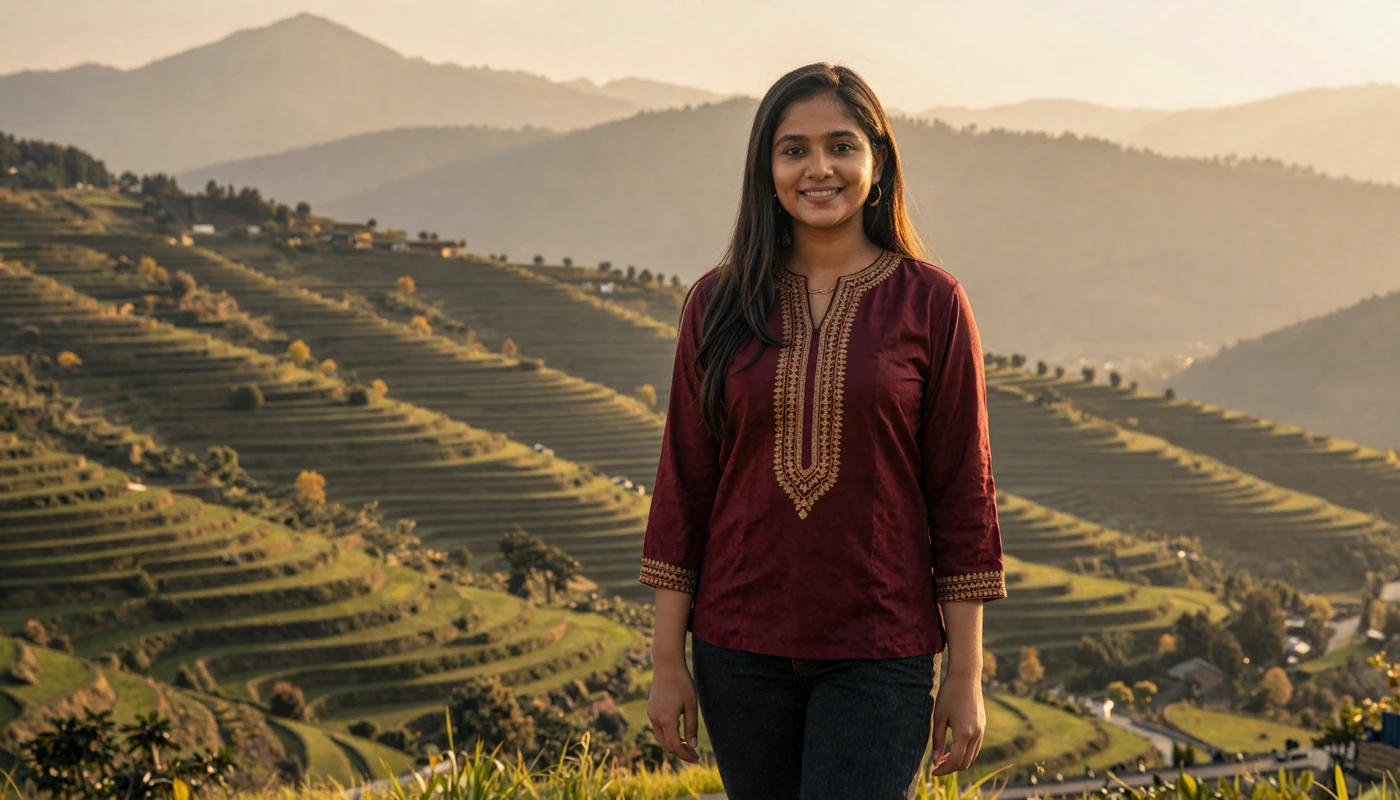
Connect with genuine, loyal Nepali women from Kathmandu, Pokhara, and Lalitpur who are ready for meaningful, committed relationships. Verified profiles, video chat, and culturally respectful matchmaking designed for serious love.
Meet Nepali Women
📍 Kathmandu, Nepal
✓ Verified
📍 Pokhara, Nepal
✓ Verified
📍 Lalitpur, Nepal
✓ Verified
📍 Biratnagar, Nepal
✓ Verified
📍 Kathmandu, Nepal
✓ Verified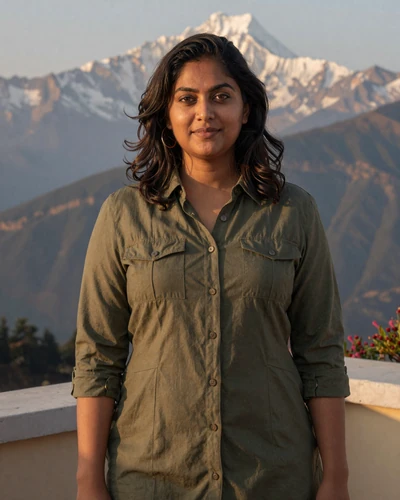
📍 Pokhara, Nepal
✓ Verified
📍 Chitwan, Nepal
✓ Verified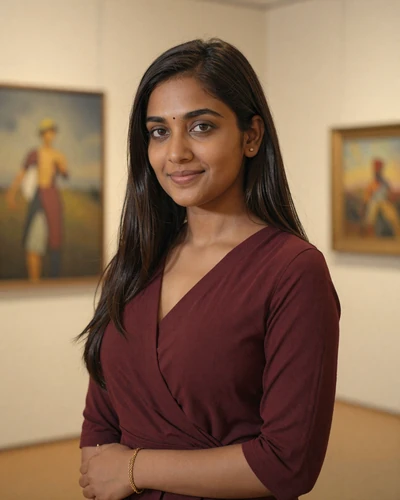
📍 Lalitpur, Nepal
✓ VerifiedNepali women dating introduces Western men to some of the most loyal, warm-hearted, and spiritually grounded women in all of Asia. Nepal, a landlocked Himalayan nation of over 30 million people, sits between India and China - and its women carry a cultural richness shaped by millennia of Hindu-Buddhist traditions, breathtaking mountain landscapes, and a deep reverence for family unity. Whether you connect with a university-educated professional in Kathmandu or a compassionate, tradition-honoring woman from Pokhara, you will discover a partner whose devotion, kindness, and quiet strength create an extraordinary foundation for lasting love.
Nepal's unique position as the meeting point of Hinduism and Buddhism creates a cultural fabric unlike any other in South Asia. Nepali women grow up immersed in a worldview that values compassion (karuna), non-attachment, dharma (duty and righteousness), and the sacredness of family bonds. These spiritual values translate directly into relationships: Nepali women approach love with patience, selflessness, and an unwavering commitment to their partner's wellbeing. This is not performative devotion - it is a deeply internalized way of being that shapes how they care for their families every single day.
Nepal is the only country in the world where Hindu and Buddhist traditions have fused so seamlessly into everyday life. Temples and stupas stand side by side in Kathmandu Valley, and most Nepali families incorporate elements of both faiths into their celebrations and rituals. This cultural blend gives Nepali women a remarkable spiritual openness - they are generally accepting of different belief systems and genuinely curious about their partner's worldview. For Western men who may come from Christian, secular, or other backgrounds, this interfaith flexibility makes cross-cultural relationship building significantly smoother than with women from more religiously rigid cultures.
This spiritual openness mirrors the cultural characteristics you will find among women from Nepal's neighboring nations. Indian women share many Hindu cultural values around family duty and marriage ceremonies, while offering the additional richness of India's vast regional diversity - from Bollywood-influenced urban dating culture to traditional arranged marriage customs across different states.
Nepali women are celebrated for a natural beauty that reflects the nation's remarkable ethnic diversity. From the Tibeto-Burman features of Tamang and Gurung women - with their delicate almond-shaped eyes and high cheekbones - to the Indo-Aryan beauty of Brahmin and Chhetri women with warm bronze skin and striking dark eyes, Nepal offers a spectrum of beauty that captivates Western men. Nepali women generally prefer a natural, understated aesthetic over heavy cosmetics. Their beauty is authentic, effortless, and deeply connected to the mountain landscapes and cultural traditions that define their homeland.
Understanding Nepali dating culture in 2026 requires appreciating a society in transition. Traditional courtship norms - where families arranged marriages through community networks - still hold significant influence, particularly in rural areas and among more conservative ethnic groups. However, urban centers like Kathmandu, Pokhara, and Lalitpur have seen a dramatic shift toward individual choice in romantic partners, accelerated by smartphone adoption, social media, and international dating platforms like ours. Nepali women who choose online dating are making a conscious, empowered decision to find love on their own terms - and they bring the same seriousness to this choice that their families would bring to a traditional arranged marriage process.
In Nepali culture, family approval is not optional - it is essential. A Nepali woman's parents, particularly her father, hold significant influence over her romantic choices. This does not mean she lacks agency; rather, it reflects a culture where marriage is understood as a union of two families, not just two individuals. When a Nepali woman introduces you to her family, it signals that she considers the relationship serious and worthy of commitment.
Earning family approval involves demonstrating your character, financial stability, and genuine respect for Nepali culture. Her parents will want to understand your profession, your values, your plans for the future, and - critically - your intentions toward their daughter. Modest gift-giving is customary when meeting her family: quality dried fruits, sweets, or a meaningful item from your home country shows thoughtfulness. Address her parents with formal respect, remove your shoes when entering their home, and accept food and tea graciously - even if you are not hungry.
Nepal's caste system, while officially abolished, still influences social dynamics in dating and marriage. The major caste and ethnic groups - Brahmin, Chhetri, Newar, Tamang, Gurung, Magar, Rai, Limbu, and Tharu - each carry distinct cultural traditions, marriage customs, and family expectations. As a Western man, you occupy a unique position outside this system, which can work in your favor. Many Nepali families view international marriages as transcending caste boundaries entirely. However, being aware that caste dynamics exist - and showing sensitivity when the topic arises - demonstrates cultural intelligence that Nepali women find deeply respectful.
If you appreciate how caste, ethnicity, and family tradition intersect in Nepali relationships, you may find similar cultural dynamics at play when exploring connections with Bhutanese women. Bhutan, Nepal's eastern neighbor, shares Buddhist cultural foundations and a deep respect for family hierarchy, while adding its unique Gross National Happiness philosophy to the relationship equation.
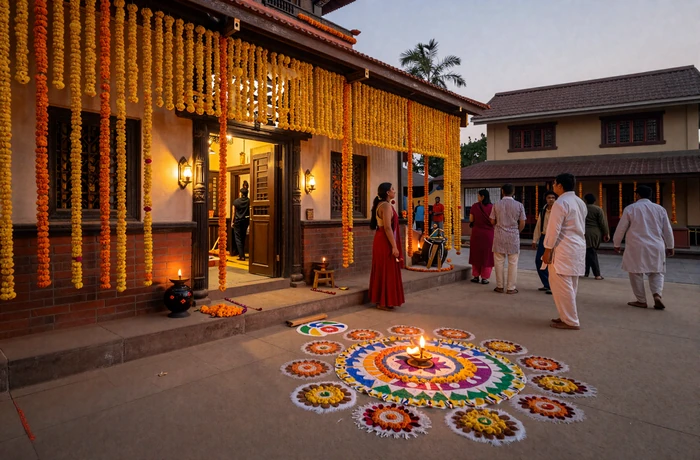
Nepali culture revolves around vibrant festivals that offer natural contexts for deepening romantic connections. Dashain, the country's biggest festival, is a 15-day celebration of family reunion, feasting, and receiving blessings from elders. Tihar (the Festival of Lights) fills homes with oil lamps, marigold garlands, and the beautiful Bhai Tika ceremony honoring the bond between siblings. Holi brings color and playfulness, while Buddha Jayanti celebrates the birth of Siddhartha Gautama with serene rituals. Understanding these festivals - and participating in them when invited - demonstrates a level of cultural engagement that Nepali women find profoundly attractive.
Sign up in under two minutes. Upload clear photos, share your personality and relationship goals, and indicate your interest in Nepali singles. No credit card required to get started.
Explore verified Nepali women from Kathmandu, Pokhara, Lalitpur, and beyond using our advanced search filters for age, education, cultural background, and relationship goals.
Send a genuine first message, then move to video chat to build real trust and emotional connection. Our cultural guides help you navigate Nepali dating etiquette with confidence.
Dating a Nepali woman is a journey that rewards patience, sincerity, and cultural respect at every stage. The relationship progresses through distinct phases - from initial online connection to the deeply meaningful milestone of family introduction and, ultimately, marriage. Understanding what to expect at each stage helps you approach the process with confidence and build a connection that stands the test of time and distance.
Nepali women tend toward indirect communication, especially in the early stages of a relationship. She may express disagreement through silence or subtle hints rather than direct confrontation - a reflection of Nepali cultural values around maintaining harmony (santulan). As the relationship deepens and trust builds, she will open up more directly. Patience during this initial reserve is crucial. Ask open-ended questions, listen attentively, and respond with warmth. Nepali women are keen observers of character - they notice consistency between your words and actions over time, and this builds the deep trust that forms the bedrock of Nepali romantic commitment.
Nepal's dating landscape varies significantly between urban and rural settings. Understanding these differences helps you calibrate your expectations based on where your match is from.
| Aspect | Urban Kathmandu/Pokhara | Rural/Semi-Urban Nepal |
|---|---|---|
| How couples meet | Online platforms, social media, university, workplaces | Family networks, community gatherings, festivals |
| Family involvement timing | Introduced after relationship is established (3-6 months) | Involved from the beginning; may initiate contact |
| English proficiency | Moderate to fluent; many are university-educated | Basic to limited; Nepali is primary language |
| Caste consideration | Decreasing but still present; more flexibility with foreigners | Significant influence on marriage decisions |
| Physical boundaries | Some comfort with hand-holding in private; conservative in public | No public displays of affection; very conservative |
| Openness to Western men | Increasingly open; values character and sincerity over nationality | Cautious but respectful; family approval is paramount |
| Dating timeline to marriage | 12-24 months of courtship before formal engagement | 6-12 months; families often accelerate the process |
| Career and education | Many hold bachelor's or master's degrees; career-focused | Focused on household management and community roles |
If you appreciate the way Nepali women balance tradition and modern ambition, you may also connect with the cultural values found among Bangladeshi women. Bengali culture shares Nepal's emphasis on family loyalty, hospitality toward guests, and a deep literary and artistic tradition that enriches romantic relationships with emotional depth and expressive warmth.
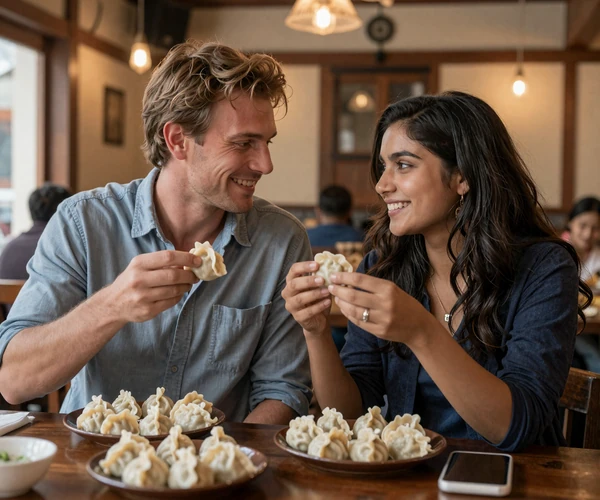
In Nepali culture, food is a powerful expression of love. Momos (steamed dumplings), dal bhat (lentil soup with rice - the national dish eaten twice daily), sel roti (a sweet ring-shaped bread made during festivals), and gundruk (fermented leafy greens) are more than meals - they are symbols of home, comfort, and family. When a Nepali woman cooks for you, she is offering a deeply personal act of caring. Learning to appreciate dal bhat, asking her to teach you how to fold momos, or surprising her with Nepali sweets on special occasions creates emotional bonds that words alone cannot build.
Nepal offers visa-on-arrival for citizens of most Western countries, making your first visit straightforward. Kathmandu's Tribhuvan International Airport is the main entry point, with direct flights from several major Asian hubs. Pokhara's new international airport also receives some regional flights. For US-based men pursuing a K-1 fiancée visa, the US Embassy in Kathmandu processes applications. Plan to visit Nepal during the pleasant fall season (October-November, coinciding with Dashain and Tihar) or spring (March-April) for the best weather and cultural immersion. Budget approximately $2,000-$4,000 for a two-to-three-week visit covering flights, accommodation, dining, and activities.
Success in Nepali women dating comes from demonstrating genuine respect, cultural curiosity, and unwavering consistency. These actionable tips are drawn from the experiences of couples on our platform who built lasting marriages with Nepali women.
Absolutely. Thousands of Nepali women - particularly educated urban professionals in Kathmandu, Pokhara, and Lalitpur, as well as women in the global Nepali diaspora - are actively open to cross-cultural relationships with sincere Western men. Our platform connects you with verified Nepali women who genuinely seek serious international partnerships. Cultural sensitivity, patience, and honest intentions are the keys to success.
Nepal is predominantly Hindu (around 81%) with a significant Buddhist population (9%), and religious identity matters to many families. However, Nepali culture is uniquely syncretic - most families blend Hindu and Buddhist practices and are generally tolerant of other faiths. What matters most is demonstrating genuine respect for her spiritual traditions and being transparent about your own beliefs from the beginning.
Kathmandu is the primary destination - as the capital and cultural hub, it offers world-class temples, modern restaurants and cafes, and a vibrant cosmopolitan atmosphere. Pokhara provides a stunning lakeside setting with views of the Annapurna range, perfect for romantic outings. Lalitpur (Patan) features exquisite Newari architecture and a quieter, artistically rich atmosphere. All three cities are safe and welcoming to Western visitors.
Caste dynamics still influence marriage decisions in Nepal, particularly in rural areas and among older generations. However, as a Western man, you typically exist outside the caste hierarchy, which can actually work in your favor. Progressive urban families increasingly prioritize character, education, and genuine affection over caste considerations - especially when they see a sincere, respectful foreigner who truly cares for their daughter.
Nepal offers visa-on-arrival for most Western nationalities (approximately $50 for 30 days). A comfortable two-to-three-week visit costs $2,000-$4,000 including flights, mid-range hotel accommodation, dining, and activities. The best times to visit are October-November (fall festival season with Dashain and Tihar) and March-April (spring, rhododendron blooming, pleasant weather). Most successful couples on our platform plan their first visit within 6-9 months of connecting online.
Reactions vary by family. Urban educated families in Kathmandu and Pokhara are increasingly open to international marriages, especially when the Western partner demonstrates sincere respect for Nepali culture, financial stability, and clear commitment. More traditional families may need additional time and reassurance. Gaining family trust through consistent communication, modest gift-giving, and formal respectful behavior during visits creates positive outcomes in the vast majority of cases.