
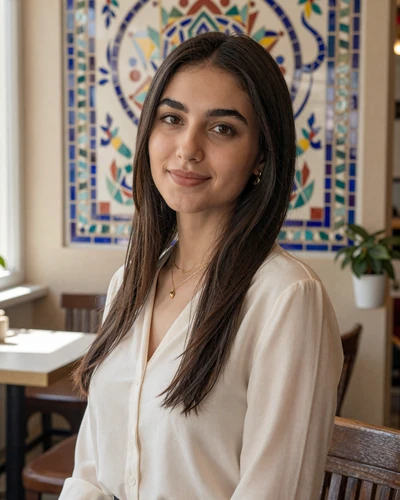
Dilnoza Karimova, 26
📍 Tashkent, Uzbekistan
✓ Verified
Connect with stunning, family-devoted Uzbek women from Tashkent, Samarkand, Bukhara, and Fergana Valley. Verified profiles, video chat, and culturally respectful matchmaking for men seeking genuine Silk Road romance and lifelong commitment.
Meet Uzbek Singles
📍 Tashkent, Uzbekistan
✓ Verified
📍 Samarkand, Uzbekistan
✓ Verified
📍 Bukhara, Uzbekistan
✓ Verified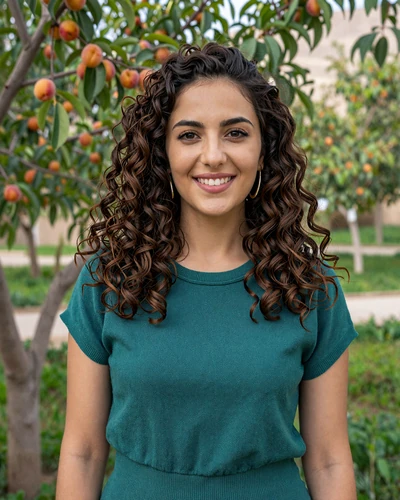
📍 Fergana, Uzbekistan
✓ Verified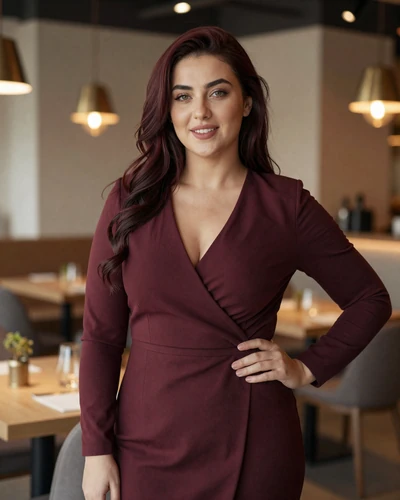
📍 Tashkent, Uzbekistan
✓ Verified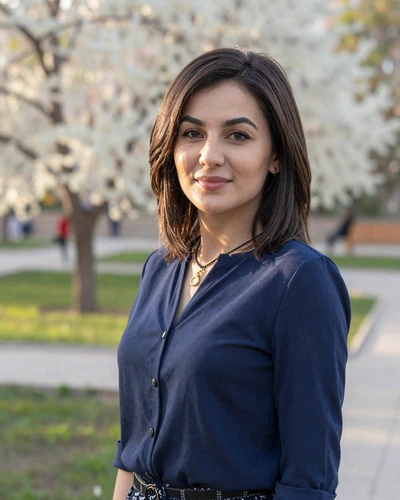
📍 Namangan, Uzbekistan
✓ Verified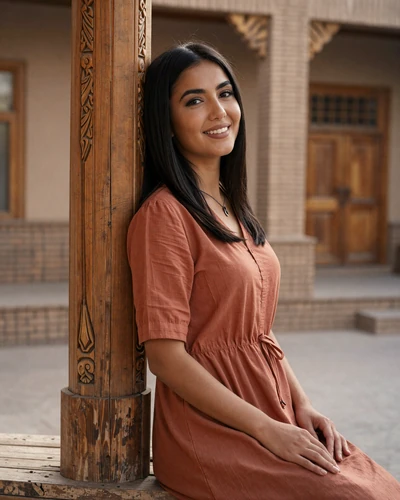
📍 Samarkand, Uzbekistan
✓ Verified
📍 Tashkent, Uzbekistan
✓ VerifiedUzbek women dating opens a door to one of Central Asia's most culturally magnificent civilizations. Uzbekistan - the heart of the ancient Silk Road, home to Samarkand's Registan Square, Bukhara's centuries-old madrasas, and Khiva's walled inner city - has produced a generation of women whose grace, warmth, and unwavering family devotion reflect millennia of crossroads culture. Whether you connect with a university-educated professional from Tashkent or a tradition-rooted beauty from the Fergana Valley, you will discover a partner whose commitment to love, loyalty, and creating a harmonious home is woven into the very fabric of her identity.
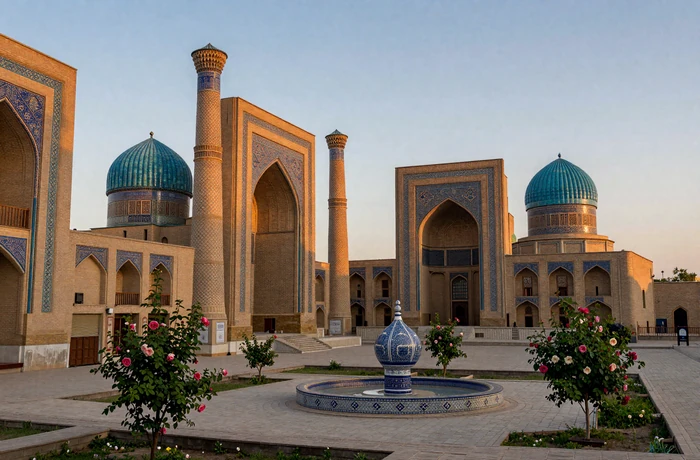
Uzbek culture stands at the intersection of Turkic, Persian, and Islamic traditions, enriched by centuries of trade, scholarship, and artistic achievement along the Silk Road. The great cities of Samarkand and Bukhara were once the intellectual capitals of the Islamic world, producing scholars like Al-Bukhari and astronomers like Ulugh Beg. This heritage of learning, refinement, and cultural pride runs through every generation of Uzbek women, shaping their approach to education, hospitality, and relationships. An Uzbek woman does not merely enter a relationship - she brings the richness of an entire civilization into your shared life.
Mehmonnavozlik - the Uzbek tradition of hospitality - is not a social nicety but a sacred cultural duty. An Uzbek household greets guests with the finest food, the most comfortable seating, and an atmosphere of warm, genuine welcome that makes visitors feel like honored family members. This tradition shapes how Uzbek women approach love and partnership. They create homes that are warm, abundant, and inviting - places where you will never feel uncared for. The legendary Uzbek plov (a fragrant pilaf of rice, lamb, carrots, and spices) is more than a national dish - it is a symbol of hospitality itself, prepared with care and served with pride to express love and respect.
Uzbekistan's seven decades as a Soviet republic left a lasting imprint on women's education and professional participation. Unlike some neighboring countries, Uzbek women have been attending universities and working in professional fields since the 1930s. Today, this legacy manifests in a generation of women who are remarkably well-educated - many hold degrees in medicine, engineering, economics, and languages - while simultaneously maintaining deep connections to traditional Uzbek family values. This dual identity - modern professional ambition paired with centuries-old cultural devotion - makes Uzbek women exceptionally well-rounded partners for Western men who value both intellectual companionship and genuine warmth.
Uzbek cultural traditions share deep roots with neighboring Central Asian nations. Men drawn to the region's unique blend of Turkic heritage and Islamic values often find parallel qualities in Kazakh women, who share the nomadic steppe heritage and warmth, as well as Kyrgyz women, whose mountain hospitality culture echoes the same spirit of generous welcome.
Mehmonnavozlik is the soul of Uzbek culture. An Uzbek wife transforms every meal into a celebration, every gathering into an event of warmth and abundance. From the aromatic plov to handmade manti dumplings, she nourishes body and spirit with equal devotion.
Uzbek women are renowned for their distinctive beauty - luminous olive-to-fair skin, expressive dark eyes, high cheekbones, and thick, lustrous hair. Their Silk Road genetics blend Turkic, Persian, and Mongol ancestry into a uniquely captivating appearance that is both exotic and timelessly elegant.
Marriage in Uzbek culture is a lifelong sacred commitment. Uzbek women view their role as wife and mother with profound seriousness and pride. Their loyalty is absolute - once committed, an Uzbek woman stands by her partner through every challenge with grace and unwavering support.
Understanding Uzbek dating customs is essential for Western men seeking genuine connections with Uzbek women. Uzbekistan's courtship culture in 2026 exists on a spectrum - from deeply traditional matchmaking practices in rural areas and smaller cities to increasingly modern approaches in cosmopolitan Tashkent. What remains universal is the central role of family in relationship decisions, the expectation that courtship leads to marriage, and the importance of demonstrating honorable intentions from the very first interaction.
In traditional Uzbek culture, the sovchi (matchmaker) plays a pivotal role. Families - particularly the groom's mother and female relatives - identify suitable brides through community networks, reputation assessment, and direct inquiry. The sovchi formally approaches the bride's family to gauge interest before any courtship begins. While this system has evolved significantly in urban areas, its influence persists in the expectation that relationships involve family approval and formal processes. Even in modern Tashkent, a man's family often "approves" his choice before engagement becomes official.
| Aspect | Traditional Approach | Modern Urban Approach |
|---|---|---|
| How couples meet | Family-arranged through sovchi matchmaker or community connections | University, workplace, social events, and increasingly online dating platforms |
| Family involvement | Family initiates and controls the entire courtship process | Couple meets independently but seeks family blessing before engagement |
| Pre-marriage contact | Limited chaperoned meetings; phone calls supervised or monitored | Independent dating with expectation of respectful boundaries and discretion |
| Timeline to marriage | 3-6 months from first meeting to wedding, often faster | 6-18 months of dating before formal engagement discussions |
| Engagement ceremony | Fatiha-tui (formal engagement with Quran reading and family feast) | Fatiha-tui remains standard but may be preceded by a Western-style proposal |
| Wedding celebration | Lavish multi-day event with 300-500+ guests, community-centered | Still large-scale (200-400 guests) but with modern venue and catering choices |
| Views on foreign partners | Generally resistant; preference for Uzbek or Central Asian partners | Increasingly open, especially among educated urban families and diaspora |
The nikoh (Islamic marriage ceremony) is the spiritual and cultural cornerstone of Uzbek weddings. Performed by an imam, the nikoh involves the recitation of Quranic verses, the exchange of vows in the presence of witnesses, and the setting of mahr (bride price - typically gold jewelry and a sum agreed upon by both families). Even couples who have a civil ceremony at the ZAGS (civil registry office) consider the nikoh the "real" marriage. Understanding and respecting this tradition demonstrates to an Uzbek woman and her family that you take the spiritual dimension of your commitment seriously.
The courtship dynamics found in Uzbekistan resonate closely with traditions in neighboring Tajik women dating, where Persian heritage and Islamic values create similarly structured courtship expectations, and Turkmen women dating, where tribal traditions and family honor equally shape the path to marriage.
In Uzbekistan, family is not merely important - it is the organizing principle of all social life. Understanding the depth and structure of Uzbek family dynamics is not optional for Western men seeking to date Uzbek women; it is the foundation upon which every successful cross-cultural relationship with an Uzbek partner is built. When you pursue a relationship with an Uzbek woman, you are entering a family system that is deeply interconnected, mutually supportive, and rooted in clearly defined roles and expectations.
Traditional Uzbek families often live in multi-generational households, with the youngest son's family typically remaining in the parental home to care for aging parents - a sacred duty known as kichik o'g'il javobgarligi. Even in modern Tashkent, where nuclear family units are becoming more common, the bonds between extended family members remain extraordinarily tight. Weekly family gatherings, shared meals, and collective decision-making on major life events (including marriage partner selection) are the norm rather than the exception. Western men who embrace this family closeness rather than resisting it earn deep respect and genuine acceptance.
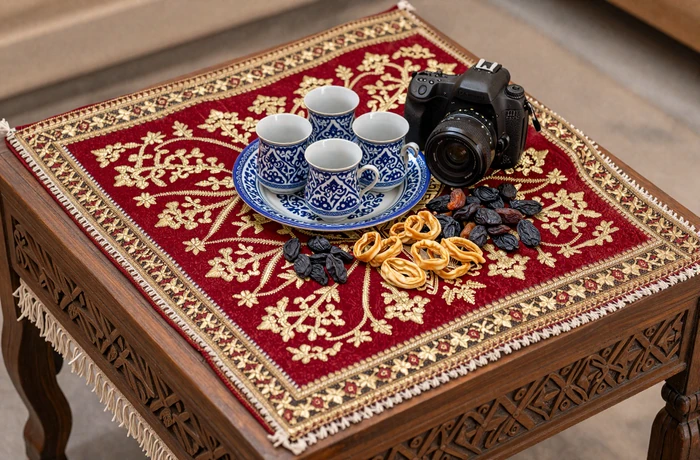
Gaining the trust of an Uzbek woman's family requires deliberate, patient effort. Start by learning basic Uzbek greetings - "Assalomu alaykum" (Peace be upon you) and "Rahmat" (Thank you) - as language effort signals genuine respect. When meeting her parents, bring quality gifts: dried fruits, nuts, sweets, or something unique from your home country. Dress conservatively and formally. Ask her father about his life, career, and family history. Show interest in her mother's cooking - complimenting the plov is practically a courtship requirement. Above all, communicate your serious intentions, career stability, and vision for the future clearly and directly. Uzbek families respect transparency and decisiveness in a prospective son-in-law.
These family dynamics will feel familiar to men who have explored Kazakh women dating, where similar respect hierarchies and hospitality traditions guide relationship formation across the Central Asian steppe.
Register in under two minutes. Upload clear, respectful photos, share your values and relationship goals, and indicate your interest in Uzbek singles. No credit card required to begin browsing.
Search verified profiles of Uzbek women from Tashkent, Samarkand, Bukhara, and beyond. Use advanced filters for location, age, education, language skills, and cultural preferences to find your ideal match.
Send a thoughtful first message that demonstrates cultural awareness. Progress to video chat to build real trust. Our cultural guides help you navigate Uzbek courtship etiquette with confidence and genuine respect.
Success in Uzbek women dating is built on respect, cultural understanding, and a willingness to invest in learning the traditions that define her world. These six essential tips are drawn from the experiences of successful cross-cultural couples who navigated the unique dynamics of Uzbek courtship to build lasting, loving partnerships.
Men who have navigated similar courtship dynamics in the region can find additional perspective in our guides on Kyrgyz women dating, where mountain hospitality and Islamic-secular balance create comparable expectations, and Tajik women dating, where Persian cultural refinement adds another dimension to Central Asian romance.
Uzbek women are known for their exceptional hospitality, striking beauty, deep family devotion, and strong moral character. They combine the cultural richness of the Silk Road - warmth, generosity, and artistic refinement - with modern education and professional ambition. An Uzbek partner will create a home filled with warmth, incredible food, and unwavering loyalty. They take marriage seriously and expect the same commitment in return.
While Uzbekistan is a Muslim-majority country, the level of religious observance varies. Many traditional families expect a Muslim partner or willingness to convert before the nikoh ceremony. However, urban and diaspora Uzbek women may be more flexible if you demonstrate genuine respect for Islamic traditions and cultural values. Honest, early conversations about faith expectations are essential - sincerity matters more than any specific religious identity.
Family approval is critically important. In Uzbek culture, marriage is a union of two families, not just two individuals. Most Uzbek women will not commit to a serious relationship without their parents blessing. Meeting her family is a formal milestone that requires preparation - learn basic Uzbek greetings, bring thoughtful gifts, dress respectfully, and communicate your intentions clearly. Earning family trust unlocks a level of support and acceptance that strengthens your relationship for life.
The official language is Uzbek (a Turkic language), and Russian remains widely spoken as a second language, especially in cities. English proficiency is growing rapidly among younger, university-educated women in Tashkent and Samarkand, though it is less common in rural areas. Many women on our platform are conversational or fluent in English. Learning basic Uzbek phrases shows respect and creates a powerful emotional connection that transcends language barriers.
Yes. Uzbekistan is one of the safest countries in Central Asia for tourists in 2026. Tashkent, Samarkand, and Bukhara have well-developed tourism infrastructure, friendly locals, and low crime rates. Budget approximately $2,500 to $4,000 for a two-week trip including flights, hotels, food, and gifts. The country is welcoming to Western visitors, and your visit will be enriched by stunning architecture, world-class cuisine, and genuine hospitality from locals.
Expect 2 to 4 months of regular messaging and video calls building initial trust, followed by a potential in-person visit around months 4 to 8. Family introductions typically happen during or shortly after your first visit to Uzbekistan. Formal engagement and the nikoh ceremony may occur between months 8 and 14, depending on family preferences and visa logistics. The K-1 fiancee visa process adds additional months. Patience throughout this journey is a demonstration of the serious character Uzbek families value most.