
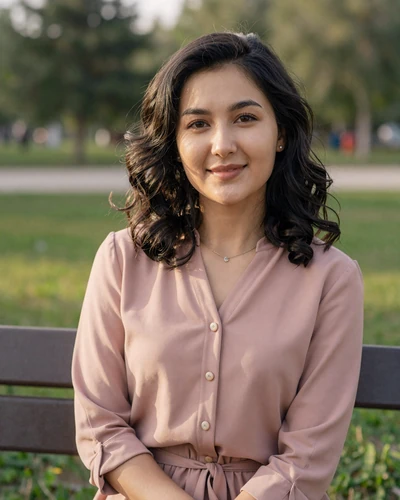
Nurul Aisyah, 26
📍 Kuala Lumpur, Malaysia
✓ Verified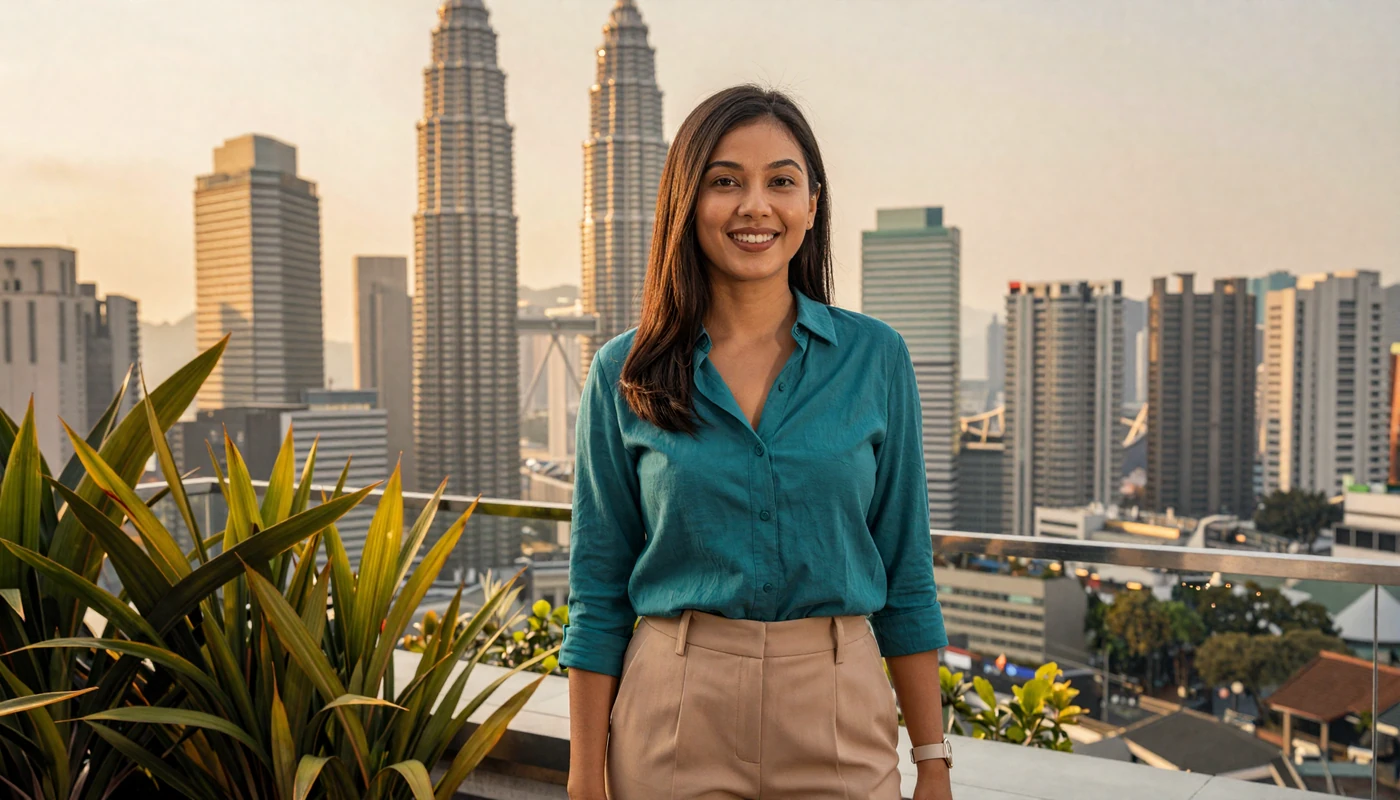
Connect with warm, multicultural Malaysian women from Kuala Lumpur, Penang, Johor Bahru, and beyond. Verified profiles spanning Malay, Chinese-Malaysian, and Indian-Malaysian backgrounds - all seeking genuine, committed relationships with Western men.
Meet Malaysian Singles
📍 Kuala Lumpur, Malaysia
✓ Verified
📍 Penang, Malaysia
✓ Verified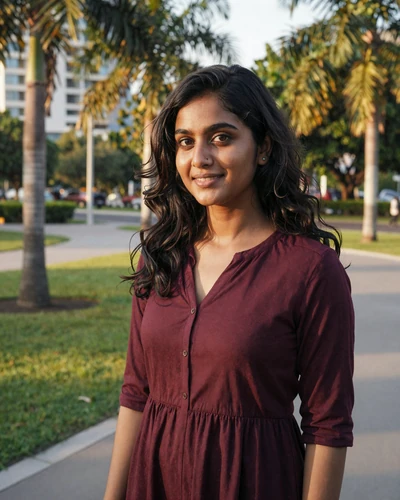
📍 Johor Bahru, Malaysia
✓ Verified
📍 Kuala Lumpur, Malaysia
✓ Verified
📍 Kota Kinabalu, Malaysia
✓ Verified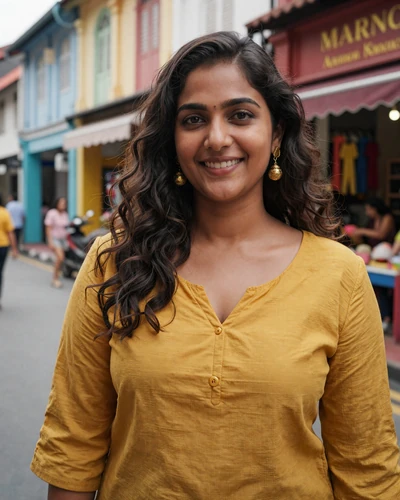
📍 Kuala Lumpur, Malaysia
✓ Verified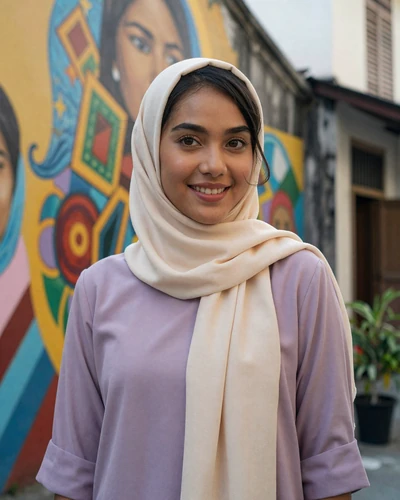
📍 Penang, Malaysia
✓ Verified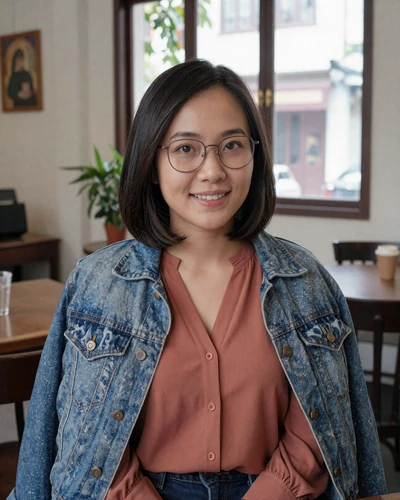
📍 Ipoh, Malaysia
✓ VerifiedMalaysian women dating offers Western men a remarkably unique experience found nowhere else in Asia: the opportunity to connect with women shaped by one of the world's most harmonious multicultural societies. Malaysia is home to three major ethnic communities - Malay, Chinese, and Indian - alongside indigenous Orang Asli and East Malaysian Dayak and Kadazan-Dusun groups, all coexisting within a single nation that has elevated diversity from political aspiration to daily reality. When you date a Malaysian woman, you gain a partner whose worldview has been shaped by navigating multiple cultures, languages, religions, and culinary traditions every single day - producing a level of adaptability, empathy, and interpersonal sophistication that is genuinely rare.
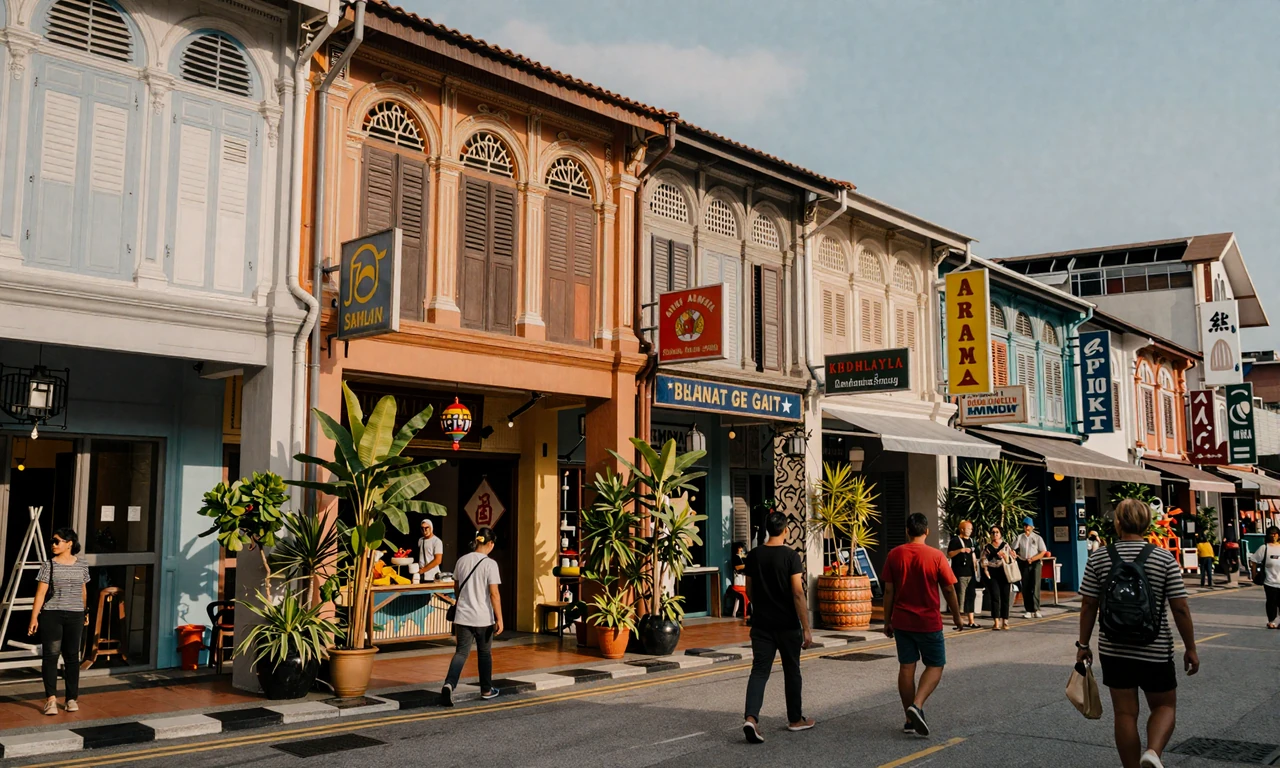
Malaysia's national identity - captured by the slogan "Malaysia Truly Asia" - is built on the principle that different cultures can enrich rather than threaten one another. This philosophy runs through every aspect of Malaysian life, from the mamak stalls where Malay, Chinese, and Indian families eat side by side to the national celebrations that honor Hari Raya Aidilfitri, Chinese New Year, and Deepavali with equal enthusiasm. A Malaysian woman brings this spirit of cultural bridge-building into her relationships, making her an ideal partner for Western men entering the cross-cultural dating world for the first time.
Ethnic Malays constitute approximately 60% of Malaysia's population and are constitutionally defined as Muslim. Malay women are raised within a cultural framework that blends Austronesian hospitality traditions with Islamic faith, producing women of remarkable warmth, modesty, and quiet inner strength. Malay women typically value family harmony above all else, practice hospitality as a way of life, and approach relationships with a sincerity and depth of commitment that reflects both cultural and religious conviction. Modern Malay women are also increasingly well-educated - Malaysia has one of the highest female university enrollment rates in Asia - and many hold professional careers in engineering, finance, medicine, and technology while maintaining their cultural and spiritual identity.
Comprising roughly 23% of Malaysia's population, Chinese-Malaysians maintain strong connections to Chinese cultural traditions - Confucian respect for elders, emphasis on education and professional achievement, and deeply ingrained family loyalty - while having developed a distinctly Malaysian identity over generations. Chinese-Malaysian women are typically bilingual or trilingual (speaking Mandarin, English, and often Malay), career-driven, and pragmatic in their approach to relationships. They bring an entrepreneurial energy and intellectual curiosity that Western men find deeply attractive, combined with the warmth and culinary heritage of both Chinese and Malaysian food cultures.
Indian-Malaysians, primarily of Tamil heritage, represent about 7% of the population and contribute an extraordinary vibrancy to Malaysian cultural life. Indian-Malaysian women are known for their expressiveness, warmth, strong educational ambitions, and deep family bonds. Hindu, Christian, and Muslim traditions all exist within the Indian-Malaysian community, creating a religious diversity that mirrors Malaysia itself. These women bring a passionate, emotionally expressive warmth to relationships that complements the more reserved tendencies found in other Malaysian ethnic groups. The Indian-Malaysian community's rich traditions of music, dance, and cuisine - think banana leaf rice, murukku, and the intoxicating rhythms of Bollywood and Kollywood - add a uniquely vibrant dimension to cross-cultural love.
Growing up in a trilingual, multi-ethnic society gives Malaysian women a natural ease with cultural differences. They navigate diverse customs, religions, and communication styles daily - a skill that translates directly into thriving cross-cultural relationships with Western partners.
Malaysia is a global food capital, and Malaysian women grow up immersed in one of the world's richest culinary traditions. Sharing nasi lemak, char kway teow, roti canai, and laksa is central to Malaysian courtship - food is love, and your Malaysian partner will express her affection through extraordinary meals.
Across all three major ethnic groups, Malaysian women place family at the absolute center of life. Their loyalty, nurturing nature, and commitment to building a stable, loving home are deeply ingrained cultural values that make them devoted, steadfast life partners.
Successfully dating a Malaysian woman requires understanding that Malaysia is not a monolithic culture - it is a mosaic of distinct ethnic communities, each with its own courtship customs, religious expectations, and family dynamics. The approach that works brilliantly with a Chinese-Malaysian woman from Penang may differ significantly from what resonates with a Malay woman from Kelantan or an Indian-Malaysian woman from Kuala Lumpur. Your willingness to learn these distinctions signals respect and genuine interest - two qualities that Malaysian women of every background deeply value.
| Aspect | Malay Dating Norms | Chinese-Malaysian Norms | Indian-Malaysian Norms |
|---|---|---|---|
| Religious influence | Islam is central; halal dating practices, no alcohol, modest behavior expected | Buddhist/Taoist/Christian influences; more secular approach to dating | Hindu, Christian, or Muslim depending on family; varies widely |
| Family involvement | High - family approval expected before commitment; parents often involved early | Moderate - parental approval important for marriage but dating may begin independently | High - particularly in Hindu families; parents have strong input in partner selection |
| Pace of courtship | Deliberate and formal; group settings preferred initially | Moderate pace; comfortable with one-on-one dates from early stages | Varies; progressive families more flexible, traditional families prefer supervised meetings |
| Physical affection (PDA) | Very reserved in public; hand-holding may be the limit until engagement | Moderate; casual affection acceptable in urban settings | Conservative in public; affection expressed privately |
| Dietary considerations | Strict halal food required; no pork, no alcohol at shared meals | Generally open to all cuisines; Chinese food culture is central to bonding | Vegetarian common in Hindu families; beef avoided by Hindus, pork by Muslims |
| Language of courtship | Bahasa Melayu primary; English widely spoken among educated women | English and Mandarin/Cantonese/Hokkien; English often preferred with Western men | Tamil and English; English usually dominant in professional settings |
| Marriage expectations | Islamic nikah ceremony; non-Muslim men may need to convert to Islam under Malaysian law | Civil or traditional Chinese ceremony; interfaith marriage more straightforward | Hindu, church, or civil ceremony; family consensus is essential |
The most significant cultural consideration for Western men dating Malaysian women is religion - specifically, the role of Islam in Malay courtship and Malaysian law. Under Malaysian federal law, Malay Muslims are governed by Sharia courts in family matters, and a non-Muslim man who wishes to marry a Malay Muslim woman is typically required to convert to Islam. This is a serious, life-altering decision that should be approached with absolute honesty and deep personal reflection. Many successful cross-cultural couples on our platform have navigated this requirement - some through genuine conversion, others by connecting with Chinese-Malaysian or Indian-Malaysian women for whom interfaith marriage involves fewer legal complexities.
For men who find these dynamics resonate with their interests, exploring connections with Singaporean women offers a comparable multicultural experience across the causeway, while Indonesian women dating shares the Islamic cultural framework within a different Southeast Asian context. Similarly, Bruneian women share the Malay Islamic cultural heritage with their own royal sultanate traditions.
In Malaysia, food is not merely sustenance - it is the primary medium through which affection, community, and cultural identity are expressed. The Malaysian concept of "makan" (eating) is a social ritual that transcends ethnic boundaries. Taking a Malaysian woman to a hawker center and enthusiastically sharing plates of nasi lemak, roti canai, and cendol communicates more about your openness and warmth than hours of conversation. Malaysian women judge a partner's character partly by their willingness to explore diverse cuisines and eat with genuine enjoyment. The man who asks to try her mother's laksa recipe will earn more trust than the one who takes her to the most expensive Western restaurant in KL.
Across every ethnic group in Malaysia, family sits at the unshakeable center of relationship formation and marriage decisions. Malaysian women do not make major life choices - particularly about marriage - in isolation from their families. For Western men, understanding and embracing this reality is not optional; it is the foundation upon which every successful Malaysian relationship is built. The good news is that Malaysian families are generally warm, hospitable, and genuinely curious about Western partners who approach them with respect and sincerity.
When a Malaysian woman invites you to meet her family, it is a significant milestone that signals her genuine investment in the relationship. Regardless of ethnic background, certain universal expectations apply: arrive with a thoughtful gift (quality fruits, pastries, or chocolates are universally appreciated; avoid alcohol for Muslim families), dress conservatively and neatly, address her parents with formal titles (Uncle and Auntie is standard in Malaysian culture regardless of actual relation), and be prepared for a generous meal that you should eat with visible enjoyment. Ask questions about the family, share information about your own background honestly, and demonstrate genuine interest in their cultural traditions.
For Malay Muslim families, your relationship with Islam is the single most important factor in gaining approval. If you are genuinely willing to learn about and embrace Islamic practices, this willingness will open doors that nothing else can. For Chinese-Malaysian Buddhist or Christian families, religious compatibility is important but generally more flexible - demonstrating good character, financial responsibility, and genuine care for their daughter matters most. Indian-Malaysian Hindu families may seek assurance that their cultural and religious traditions will be respected within the marriage, and some families place significant weight on community approval. In all cases, honesty about your own beliefs and respectful curiosity about theirs builds the trust that family approval requires.
The emphasis on family integration that defines Malaysian dating culture shares deep parallels with relationship traditions throughout Southeast Asia. Men interested in this region will find similar family-centered values when exploring Indonesian women dating, where family bonds and religious observance are equally central to courtship, or when considering connections with Filipino women, whose Catholic family values create a comparable framework of warmth and parental involvement.
Register in under two minutes with no credit card required. Upload clear, respectful photos and describe your interests, values, and what you seek in a Malaysian partner. Our platform welcomes men of all backgrounds.
Browse verified profiles of Malay, Chinese-Malaysian, and Indian-Malaysian women using advanced filters for location, ethnicity, religion, education, and relationship goals. Every profile features verification badges for your peace of mind.
Send a culturally thoughtful first message that shows genuine interest. Progress to video calls to build real trust. Our Malaysian dating guides help you navigate cultural nuances from your very first conversation.
Success in Malaysian women dating requires a blend of cultural awareness, genuine respect, and practical preparation. These six tips are drawn from the experiences of real couples who built lasting partnerships across the cultural bridge between Western and Malaysian worlds. Follow them, and you will distinguish yourself from men who approach Malaysian dating with assumptions rather than understanding.
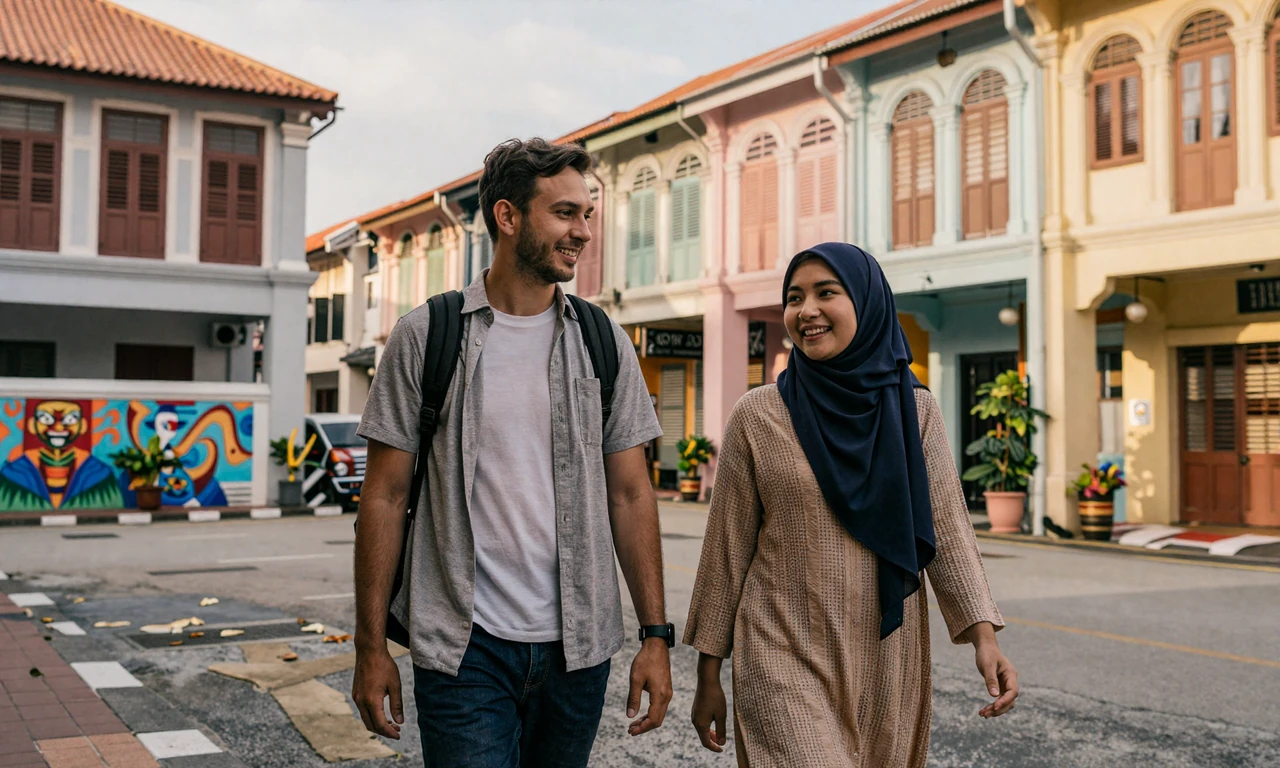
Under Malaysian federal law, non-Muslim men who wish to marry ethnic Malay women are generally required to convert to Islam, as Malays are constitutionally defined as Muslim. This is a significant legal and personal decision that should be discussed openly with your partner and her family early in the relationship. However, if you connect with Chinese-Malaysian or Indian-Malaysian women (non-Muslim), interfaith marriage involves fewer legal requirements and can proceed through civil registration.
Very important. Malaysia has three major ethnic communities - Malay, Chinese, and Indian - each with distinct dating customs, religious practices, dietary norms, and family expectations. Understanding which community your partner belongs to is essential for navigating the relationship respectfully. The good news is that Malaysian women deeply appreciate Western men who take the time to learn these distinctions rather than treating Malaysian culture as monolithic.
Food is arguably the most important social bonding tool in Malaysia. Sharing meals at hawker centers, cooking together, and enthusiastically trying diverse Malaysian cuisines - from nasi lemak to char kway teow to banana leaf rice - communicates openness, warmth, and genuine interest in her world. Many Malaysian couples describe food as the foundation of their courtship. Your willingness to eat adventurously and appreciate Malaysian flavors signals compatibility more than almost any other gesture.
Yes, English is widely spoken in Malaysia, especially in urban centers like Kuala Lumpur, Penang, and Johor Bahru. Most educated Malaysian women are bilingual or trilingual, speaking English alongside Bahasa Melayu and often Mandarin, Tamil, or other languages. English is the language of business and higher education in Malaysia, so communication with a Malaysian partner is typically smooth. Learning basic Malay phrases is appreciated but not required for initial communication.
Family approval requires demonstrating genuine character, respectful behavior, and sincere long-term intentions. Bring thoughtful gifts when meeting her family (avoid alcohol for Muslim families), address her parents as Uncle and Auntie, eat generously when food is served, and ask about family stories with genuine interest. Across all Malaysian ethnic groups, families evaluate a potential partner by his respect, honesty, and commitment to their daughter's wellbeing - not by wealth or social status alone.
Malaysia has a tropical climate year-round, making it visitable any time. However, planning your visit around major cultural festivals creates memorable shared experiences: Chinese New Year (January-February), Hari Raya Aidilfitri (dates vary with Islamic calendar), Deepavali (October-November), or the Penang Food Festival (April). Kuala Lumpur, Penang, and Johor Bahru are the most accessible cities with excellent international flight connections. Budget $2,500-$4,500 for a two-week trip including flights, accommodation, meals, and activities.